



Optometrists
At ETS Vision, we work closely with optometrists to help them find opportunities that align with their clinical interests, career goals, and long-term professional direction. That may mean a stronger focus on patient care, better support, partnership potential, or a practice environment that simply feels like the right fit.
Stages of an Optometry Career
The typical pathway to becoming an optometrists includes:
- Bachelor’s Degree (4 years)
- Doctor of Optometry (OD) Program (3-4 years)
- State Licensure
- Optional Residency (1 year)
Optometrist Salary and Compensation
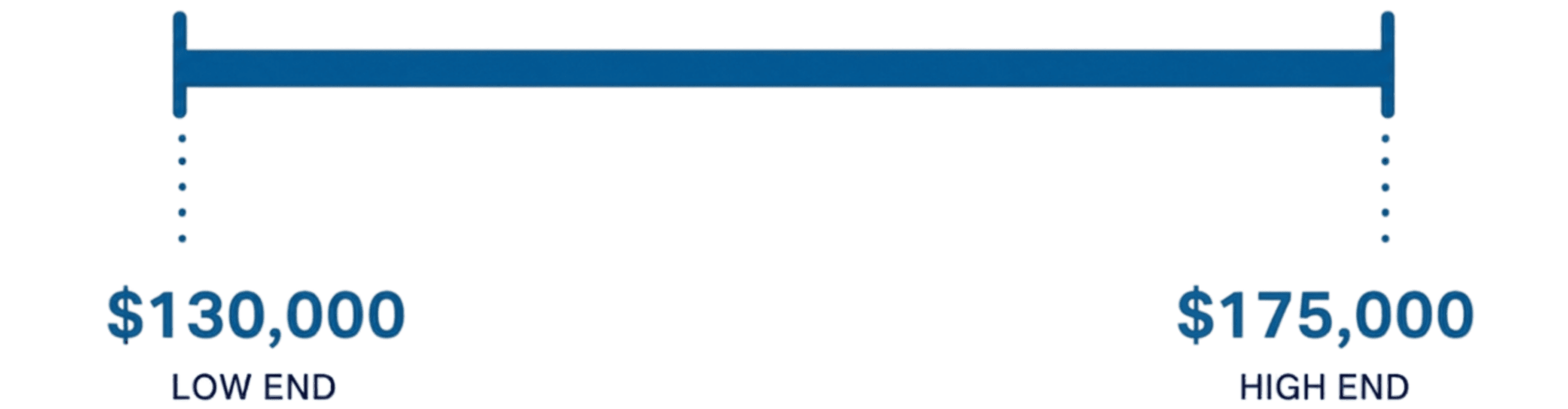
Optometrist compensation typically ranges from $130,000 to $175,000 annually, with total compensation varying based on factors such as location, experience, practice type, and patient demand. In many regions, especially rural and underserved areas, demand can create additional earning potential and incentive opportunities.
Common Compensation Models
BASE SALARY + BONUS
Income Structure
- Guaranteed base salary with potential productivity or performance bonuses
- May be offered during the first one to two years
Income Stability
- Provides predictable income
- Bonuses can increase total compensation
Common Settings
- Private optometry practices
- Medical optometry groups
- Retail-affiliated practices
Notes
- Offers financial stability while building patient volume
- Bonus structure and performance requirements can vary by practice
PRODUCTIVITY / PERCENTAGE OF COLLECTIONS
Income Structure
- Compensation tied to productivity, revenue, or collections
- May include a percentage of collections or productivity bonuses
Income Stability
- Varies with patient and surgical volume
- Higher earning potential with increased productivity
Common Settings
- Private optometry practices
- Physician-owned practices
- Established optometry groups
Notes
- Understand how collections are calculated and when compensation is paid
- Review any production thresholds and collection percentages
Common Benefits
Production Bonuses
Continuing Medical Education
Signing Incentives
Partnership Opportunities
Retirement Plans
Relocation Assistance
Paid Malpractice Insurance
Health Insurance
Paid Time Off (PTO)
Practice Types
- Private Practices
- Group Practices
- Community Health Centers
- Corporate Optical and Retail Settings
- Hospitals
- School Clinics
- Non-profit Vision Clinics




Loan Forgiveness & Career Incentives
Optometrists may qualify for federal and state loan repayment programs based on their employer, location, and commitment to serving underserved communities.
Programs may include:
Vision Recruitment Expertise
Our recruiters connect Optometrists, Ophthalmologists, and Ophthalmology Physician Assistants with rewarding career opportunities across a variety of vision care settings. Explore the specialty that best aligns with your professional goals.
FAQS
Connect With ETS Vision
ETS Vision connects optometrists with career opportunities nationwide, matching them with organizations that fit their experience, goals, and preferences. Our account executives specialize by region, offering local market insight into healthcare systems, practice settings, and available roles.
Use the map below to explore opportunities by location, then reach out to your recruiter for a confidential conversation about your next career move.



About Specialties
Definition: Optometrists are eye care professionals (ODs) who examine, diagnose, and manage vision and eye health conditions. They perform eye exams, prescribe glasses and contact lenses, treat common eye disorders, and help maintain overall eye health.